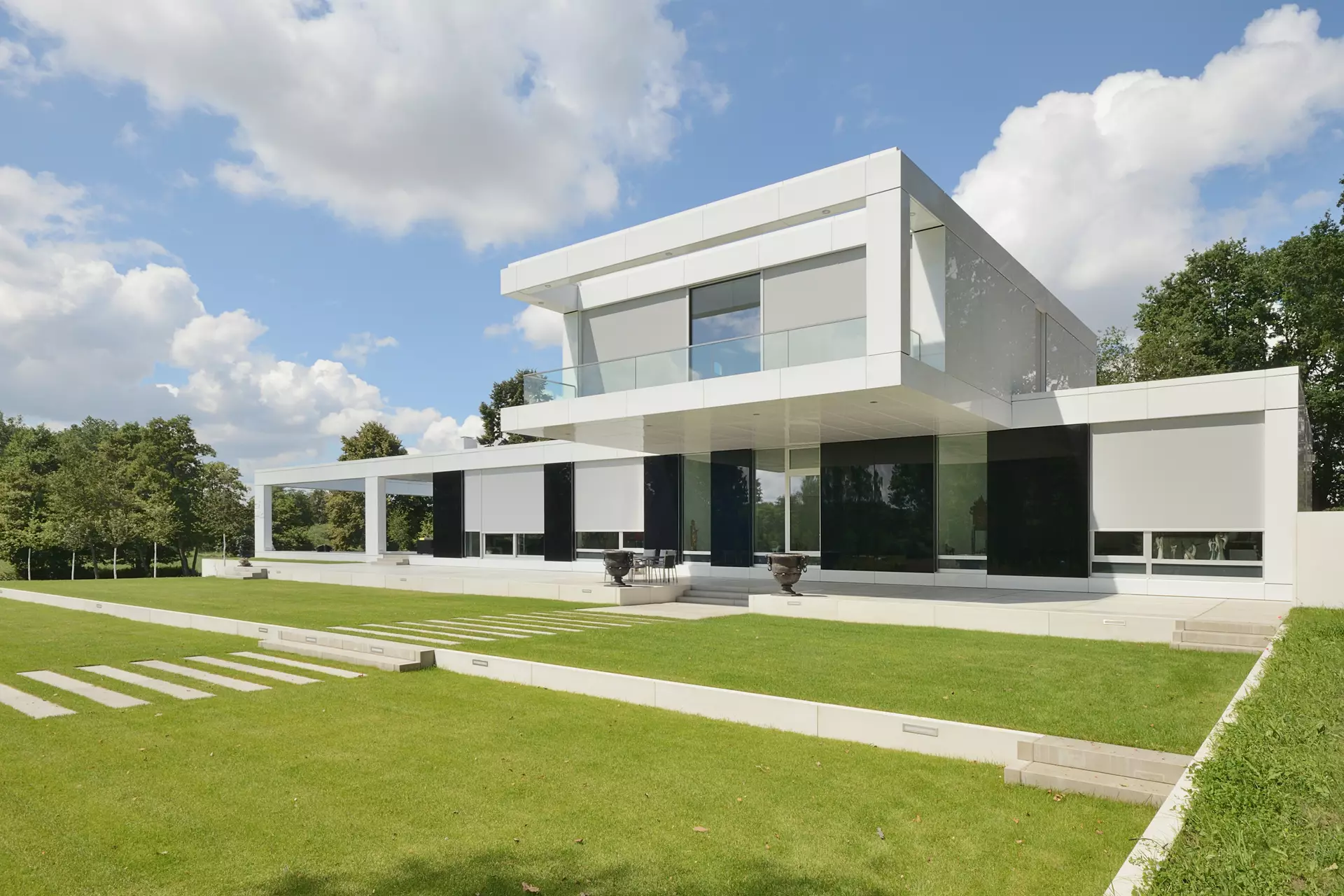
Prevent overheating in buildings
The urgency of preventing overheating in homes is highlighted by a recent study by the United Nations Environment Programme. Sun protection is emerging as a key design solution: it can block up to 85% of solar heat gains, reduce cooling energy use by 10–20%, and prevent the 30% higher cooling demand seen in buildings without shading. Moreover, over 70% of occupants report discomfort from overheating and glare. Research shows that Sun Protection is one of the most cost-effective passive strategies to improve indoor comfort, even before active cooling systems are required.
Overheating is no longer a future concern it is a challenge of today. The solution starts with smart design. As an architect, you play a crucial role by integrating summer comfort from the outset. A practical way to do this is by using the ladder of cooling as a clear design guide.
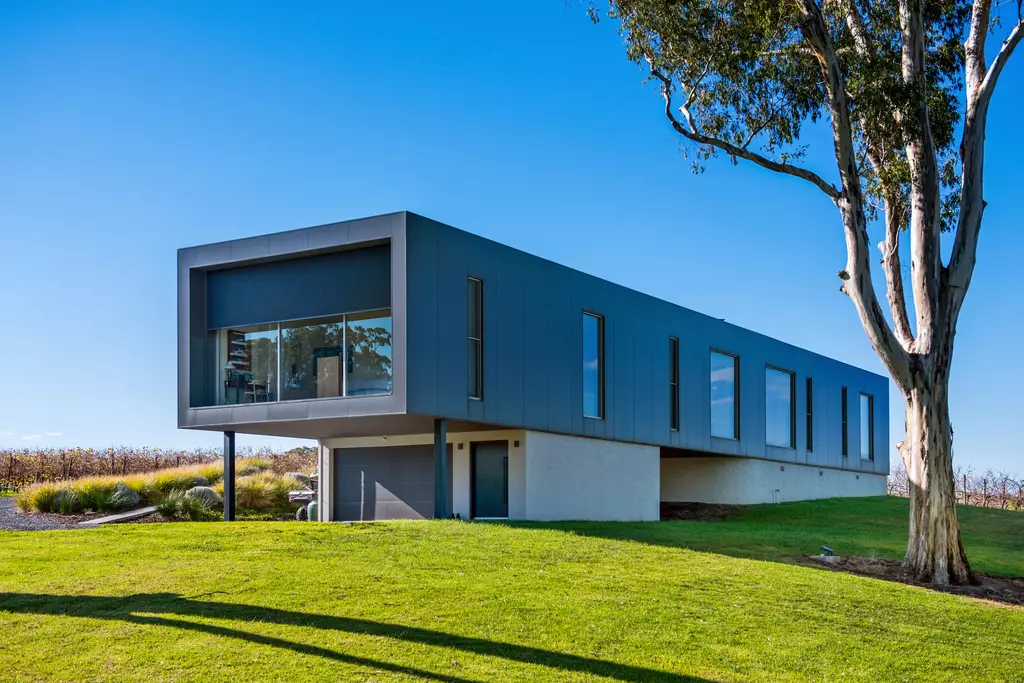
The ladder of cooling: achieving comfortable living conditions in the right order
The ladder of cooling is a design framework that provides smart, energy-efficient measures in a well-thought-out sequence to prevent overheating. It ranges from preventing the house from heating up through passive measures to help it cool down, to active cooling as a last resort. In that order, we’ll briefly outline the four steps of the ladder for you.

1. A Cool Environment
Look beyond the building itself. After all, “green” and “blue” elements help keep the immediate surroundings of homes cool, thereby laying the foundation for comfortable indoor temperatures.
Both vegetation and water features promote transpiration. This evaporation process draws heat from the surrounding environment, creating a cooling effect.
– Niels Souverijns, Climatologist at VITO
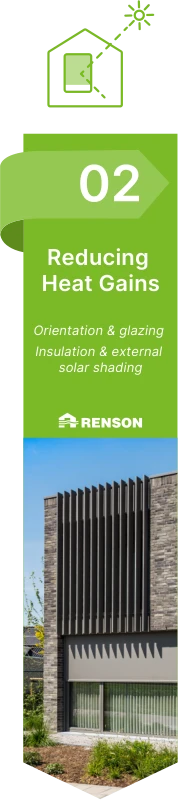
2. Blocking Heat
As an architect, you make the real difference primarily in the next step on the ladder: through a well-thought-out building design.
From proper orientation and smart glazing to reducing heat loads on glass, through strategic shading and efficient exterior sun protection.
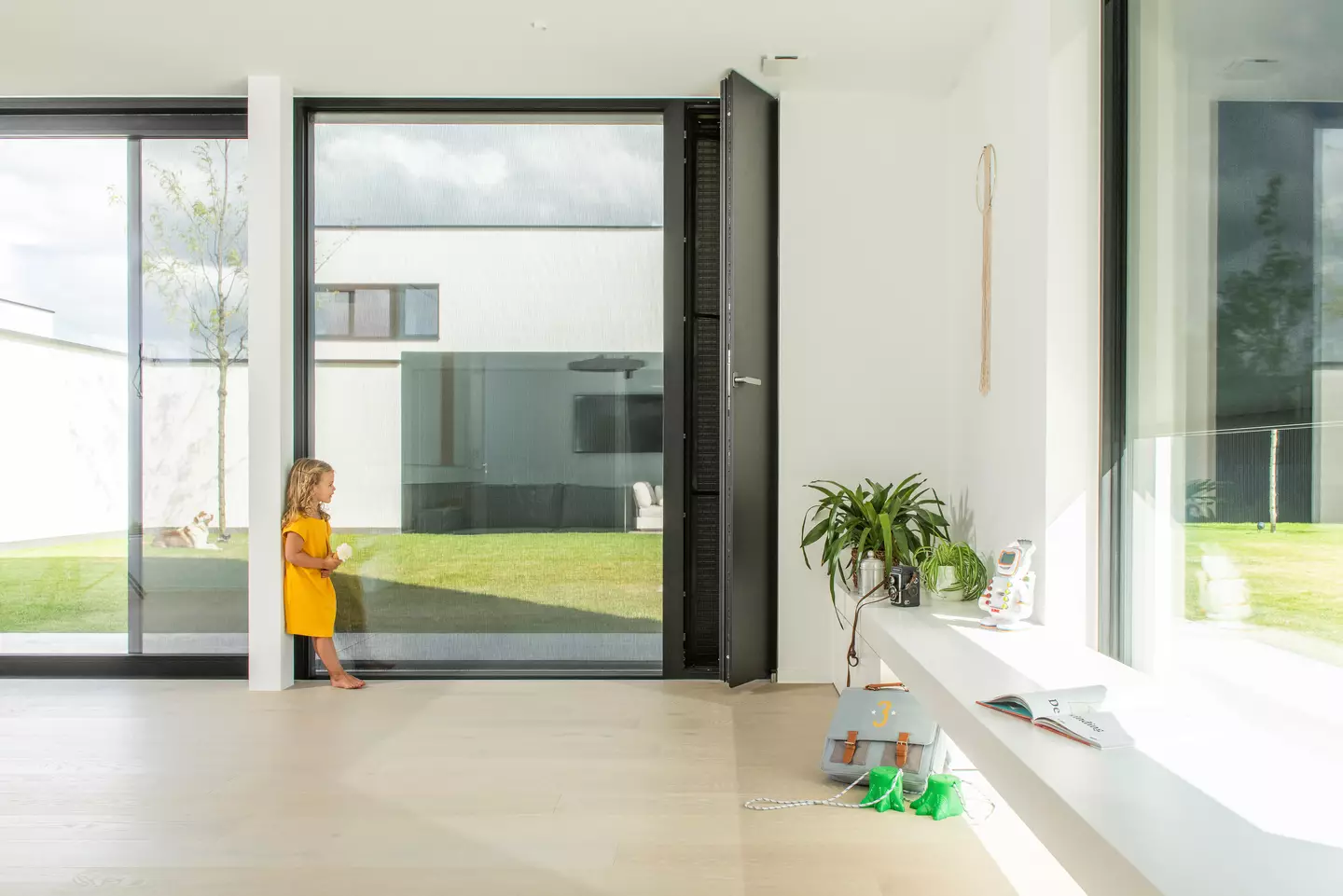
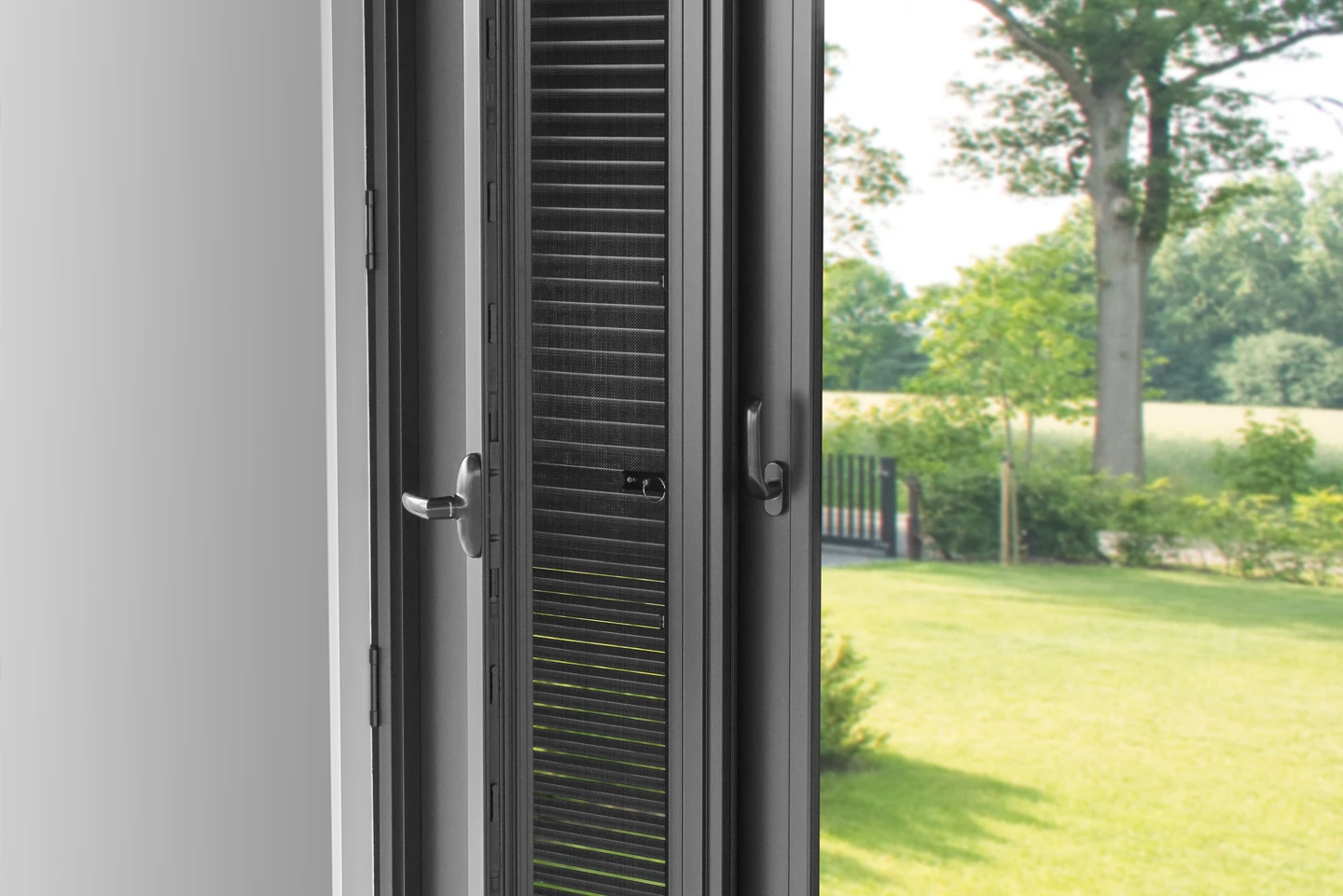
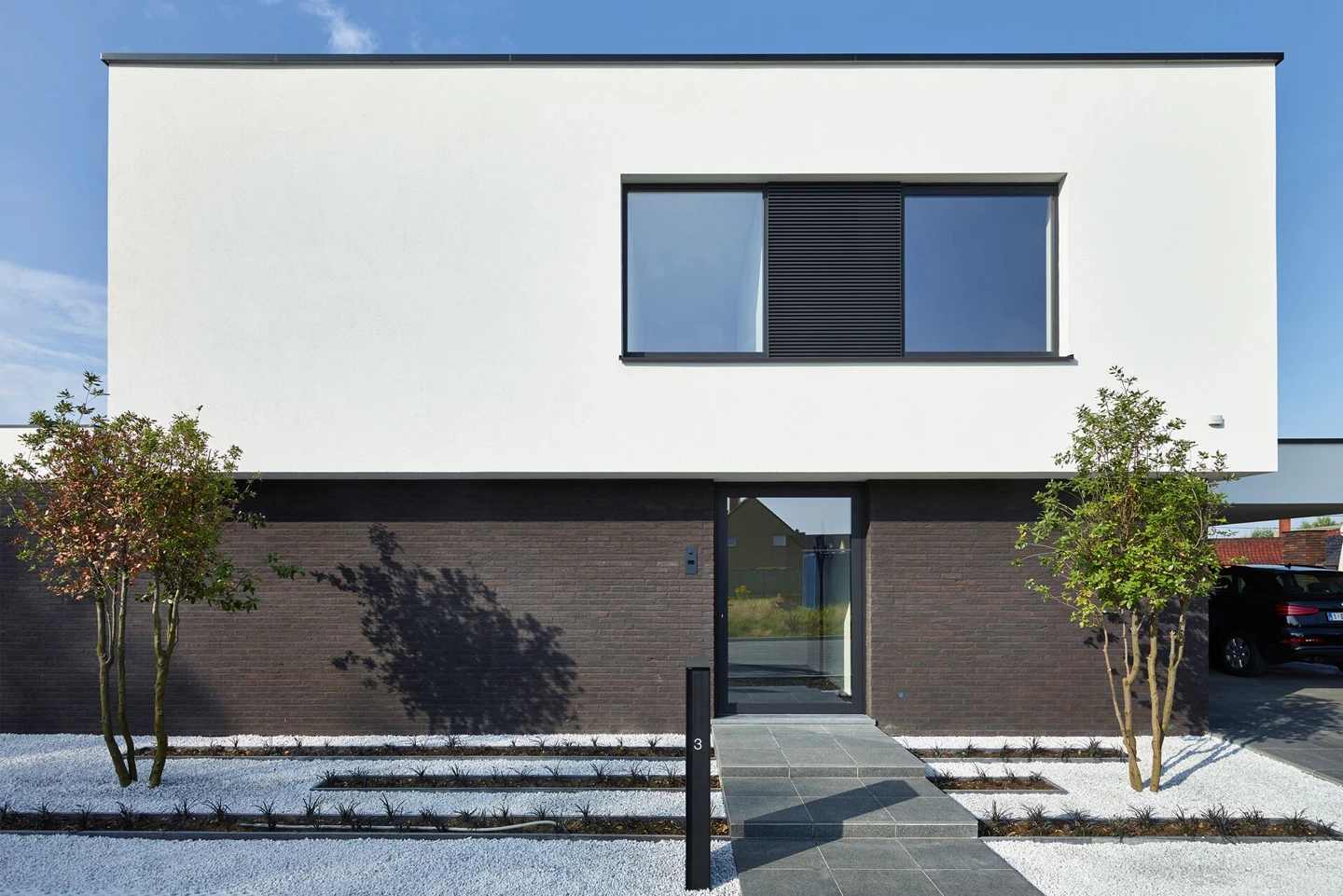
Exterior sun protection, such as screens, is a powerful tool for creating a home with sustainable summer comfort. By blocking the sun’s rays before they even reach the glass, screens prevent the interior from heating up. With solutions for vertical glazing, glass-on-glass corner windows, skylights, Velux roof windows, and more, Renson provides optimal protection for your building. An added bonus: the Fixscreen minimal also fits perfectly on minimalist windows. Painted in the same color as the window frames and/or integrated into the facade, screens also have virtually no impact on the building’s appearance.
Smart building design can reduce cooling demand by up to 80 percent.
– Dr. Joost Declercq, Archipelago Architects
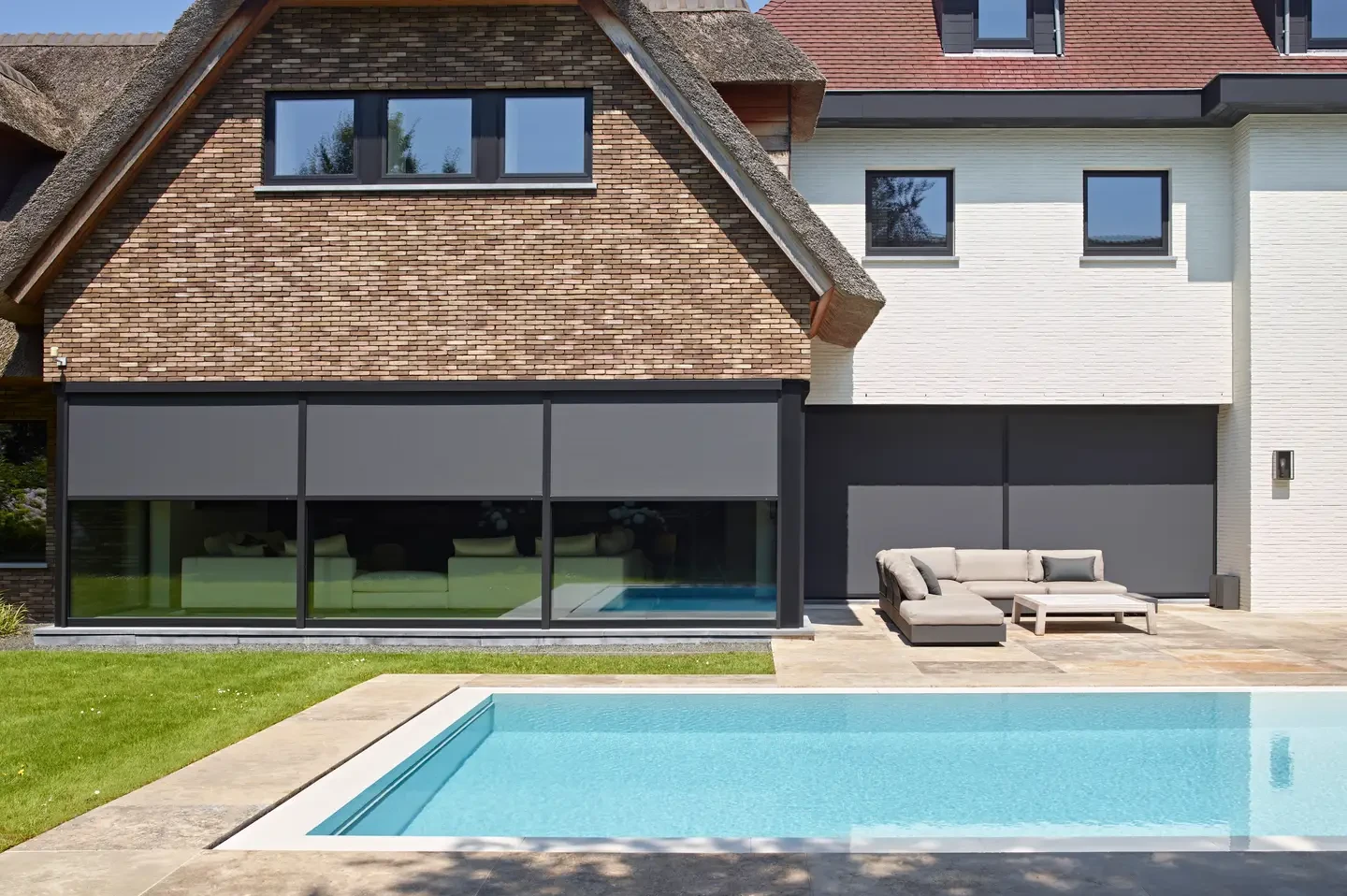
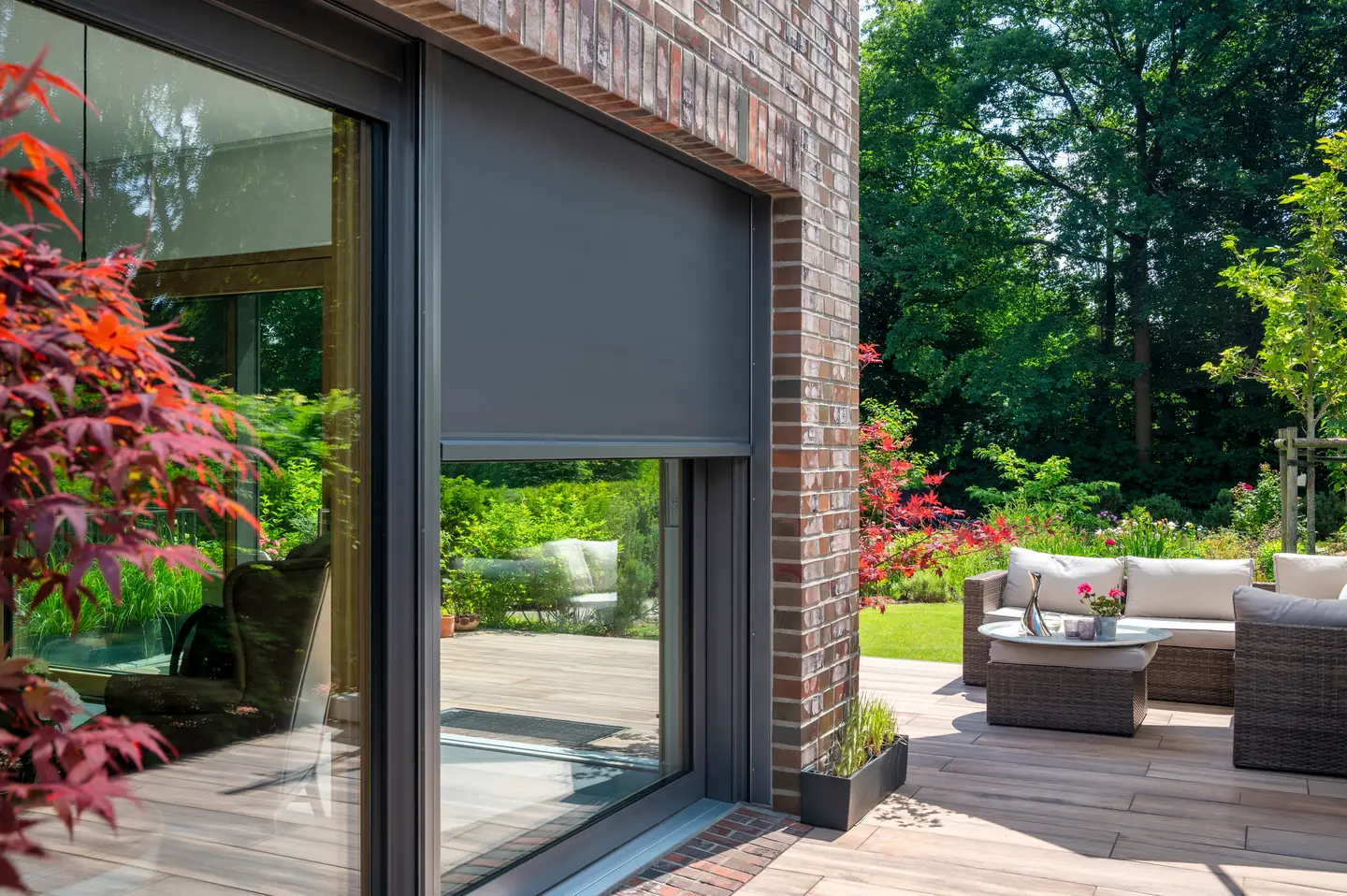
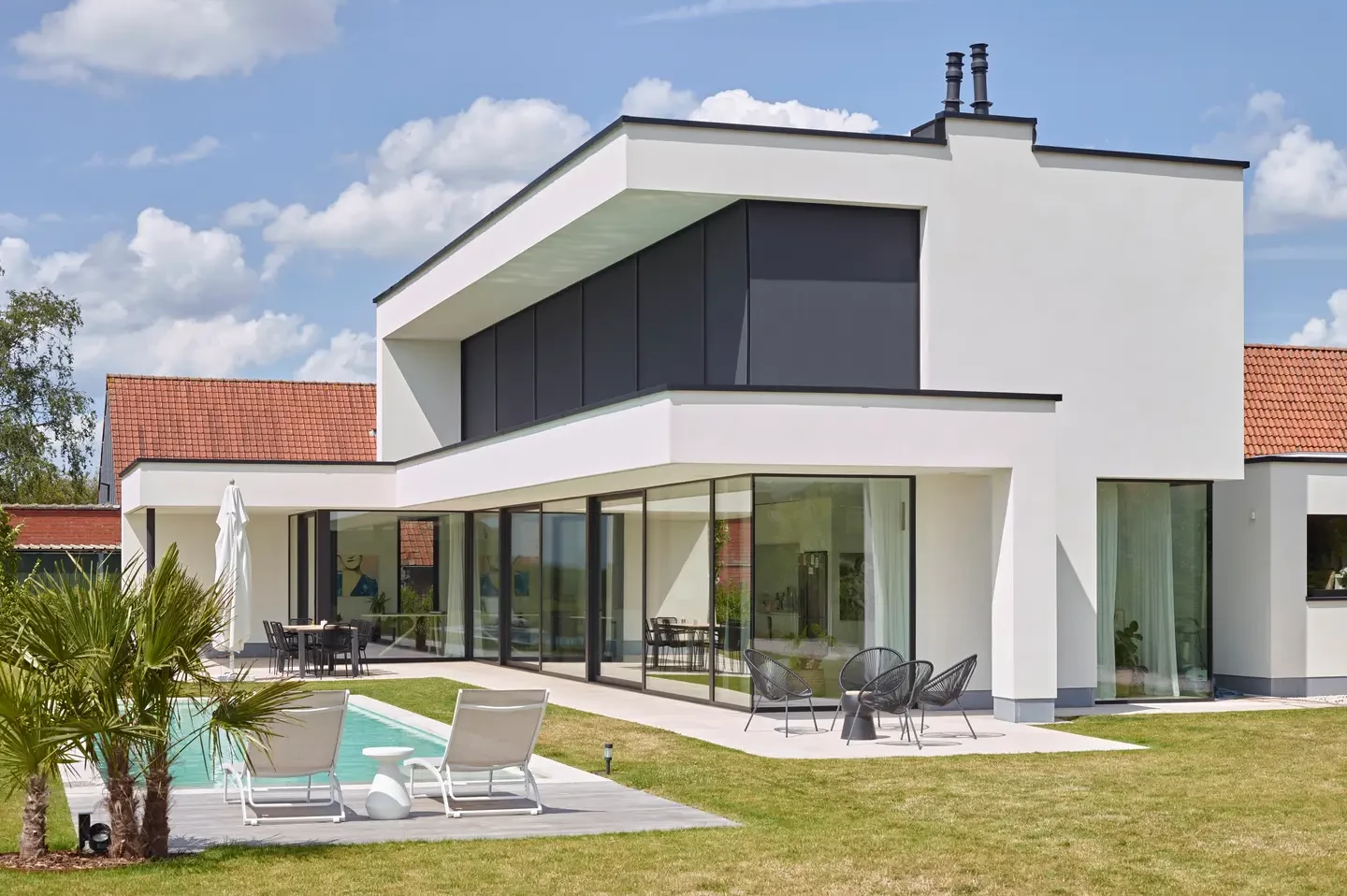
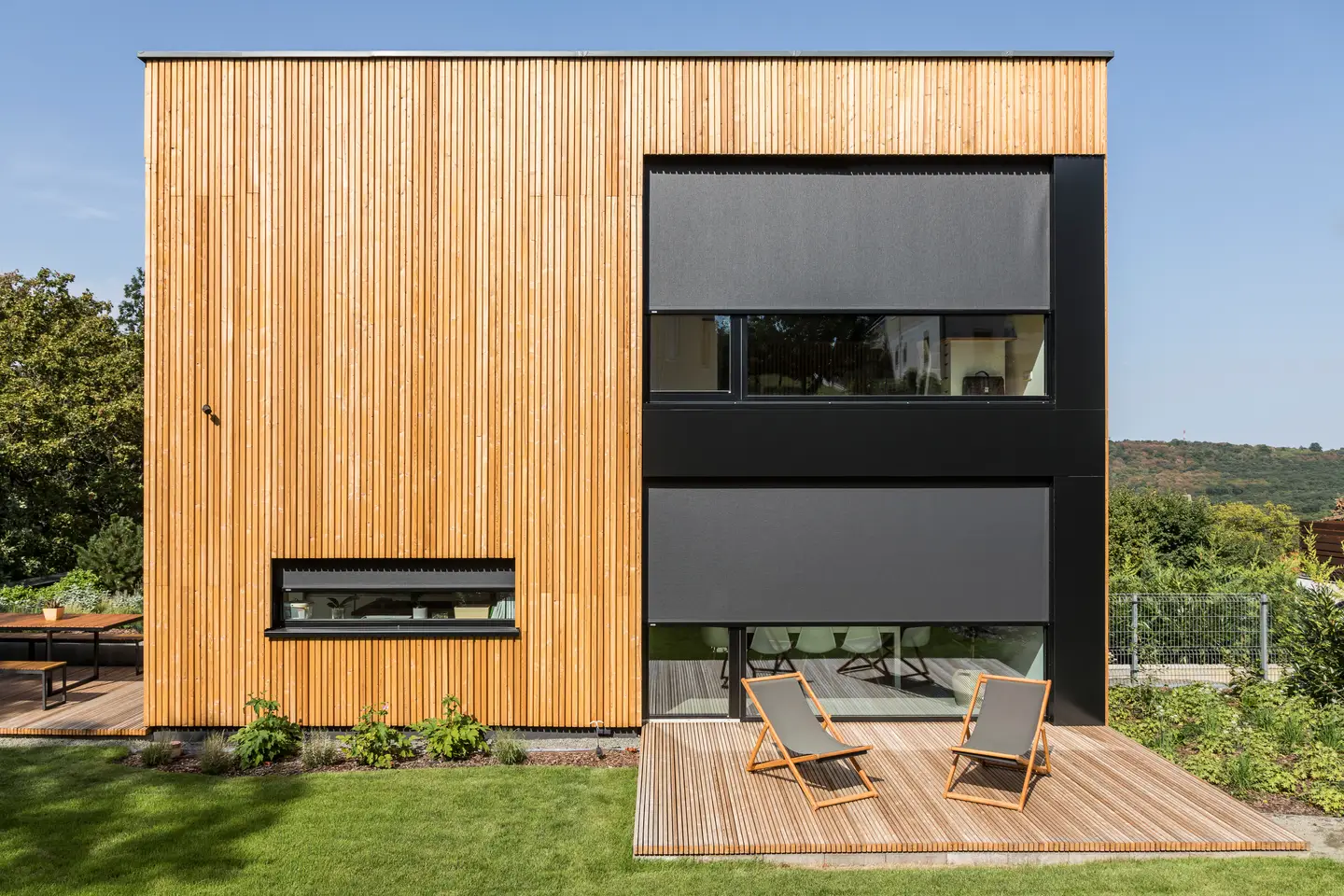
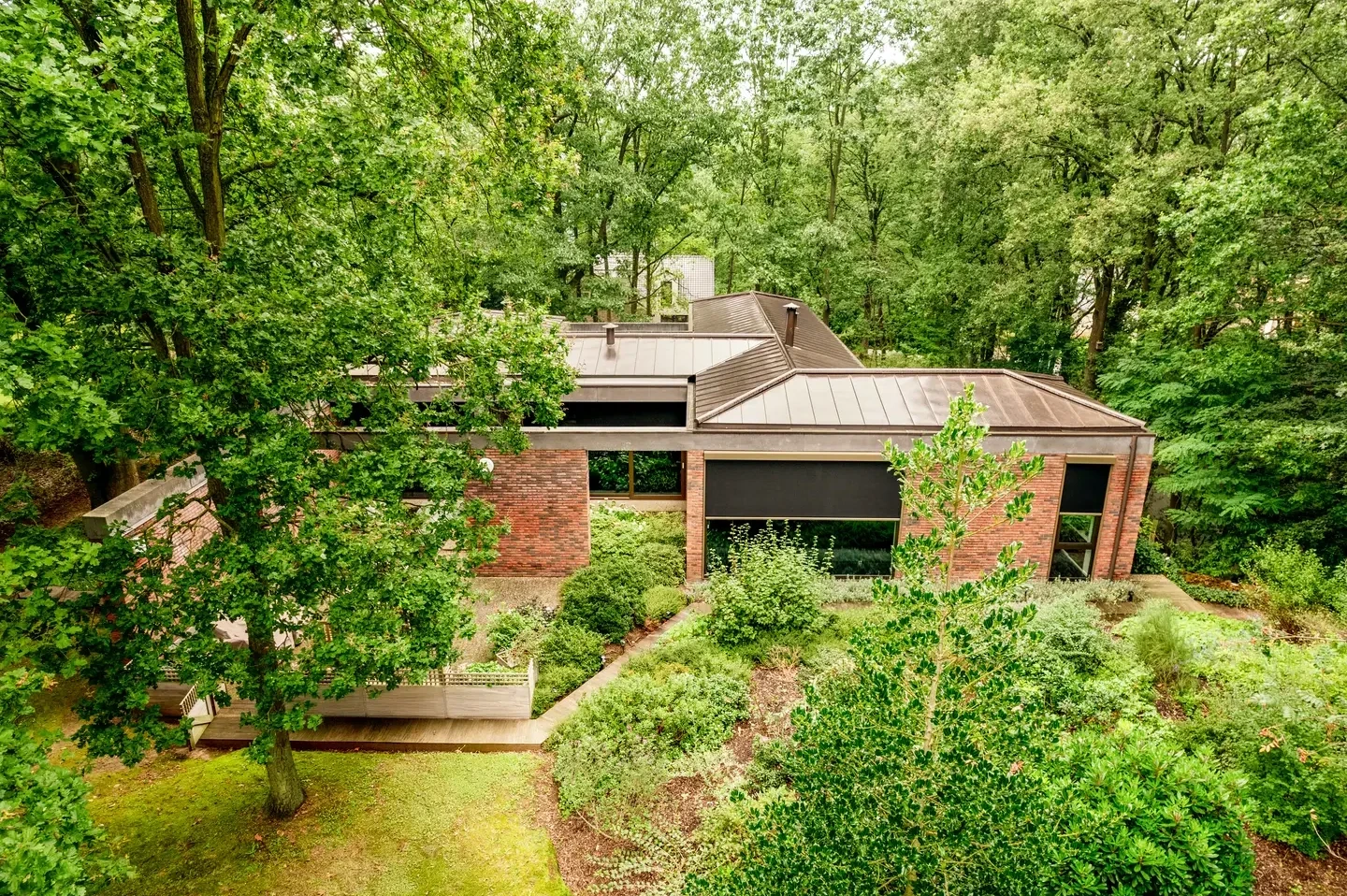
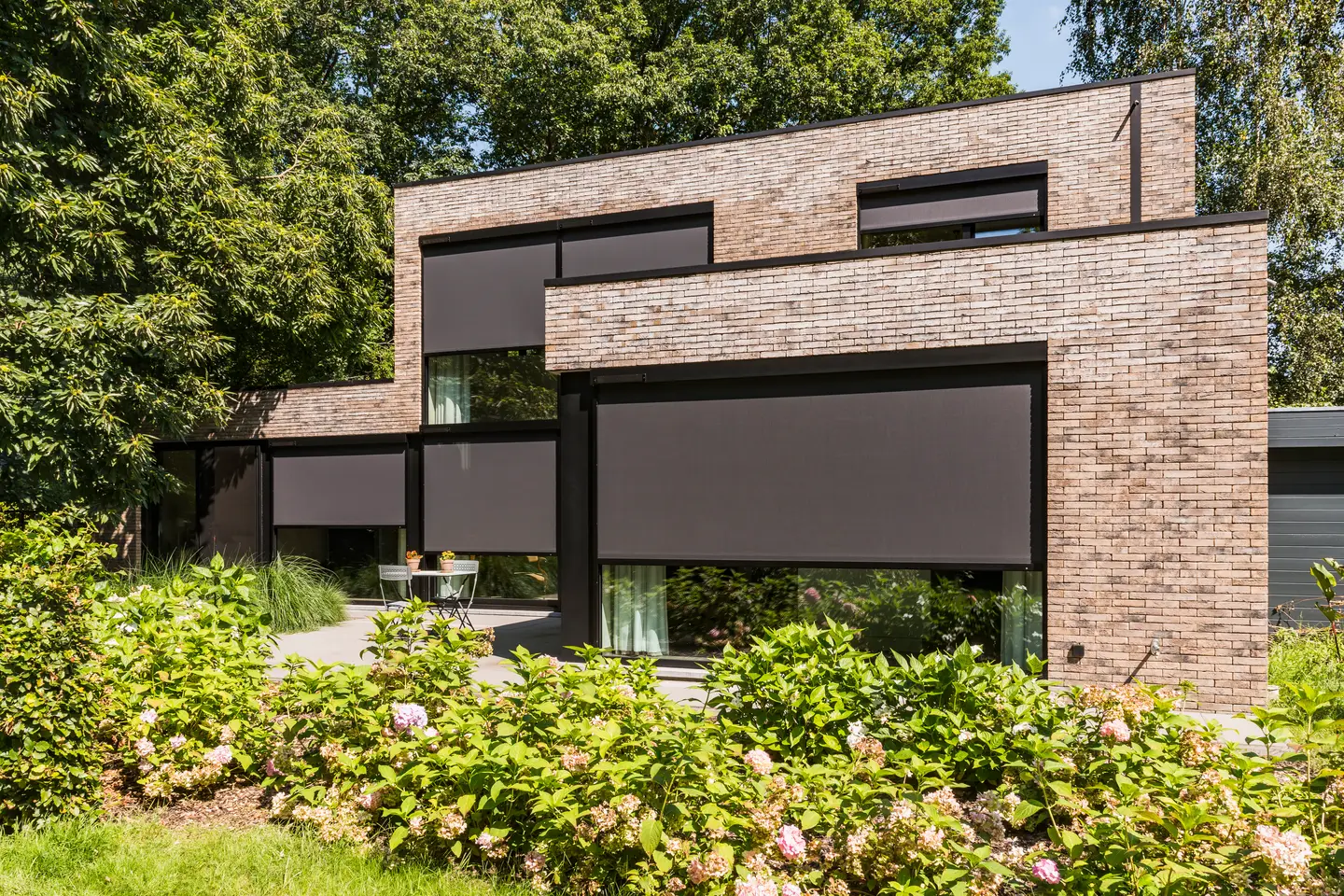
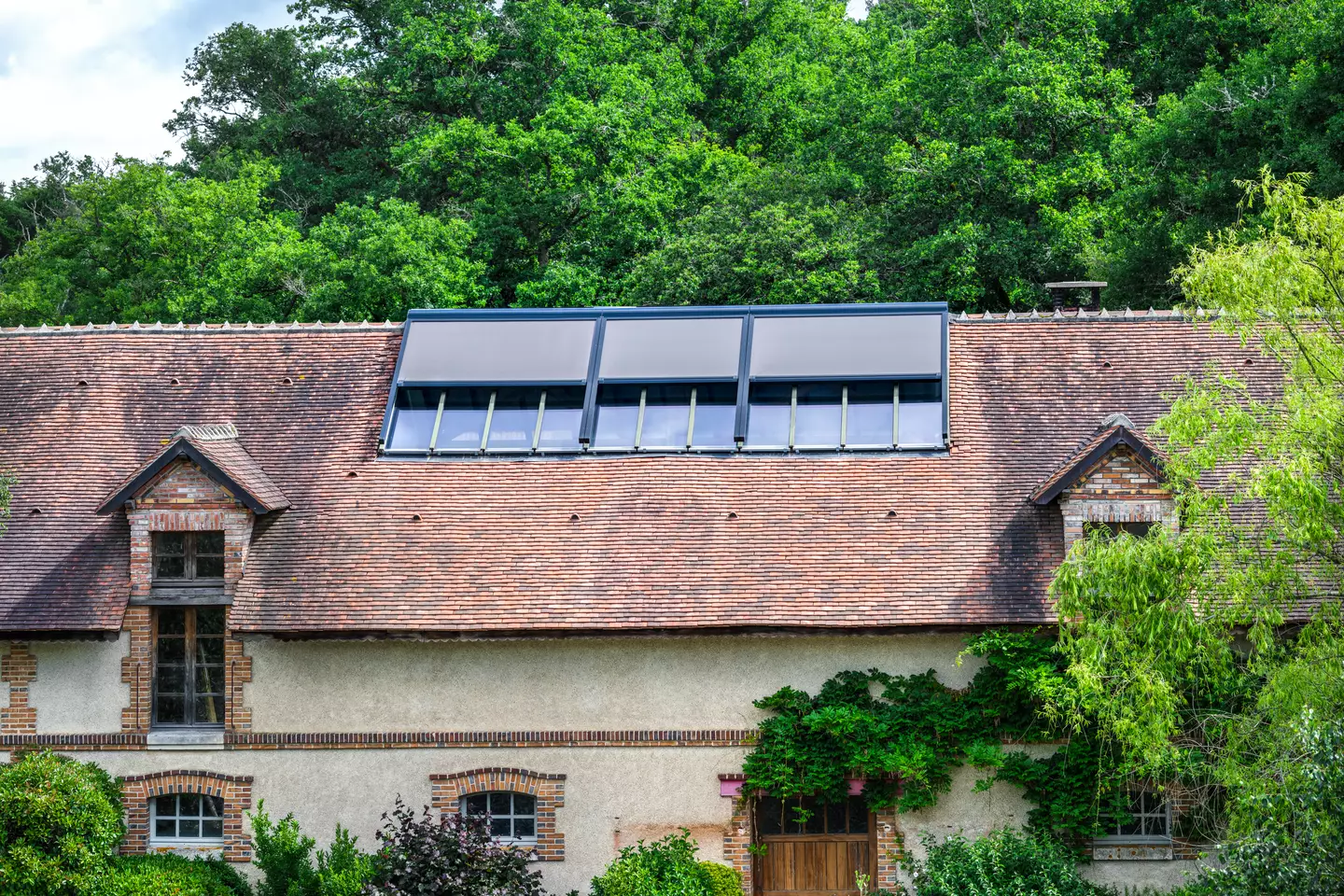
Awnings, sliding panels, or an overhang also effectively keep the sun off the glass. These are ideal for those who like to use sun protection as an architectural feature. By incorporating sun protection right from the initial design phase, you ensure:
- seamless integration into the facade or, conversely, an architectural accent
- an optimal impact on the indoor climate
- a satisfied customer, winter and summer
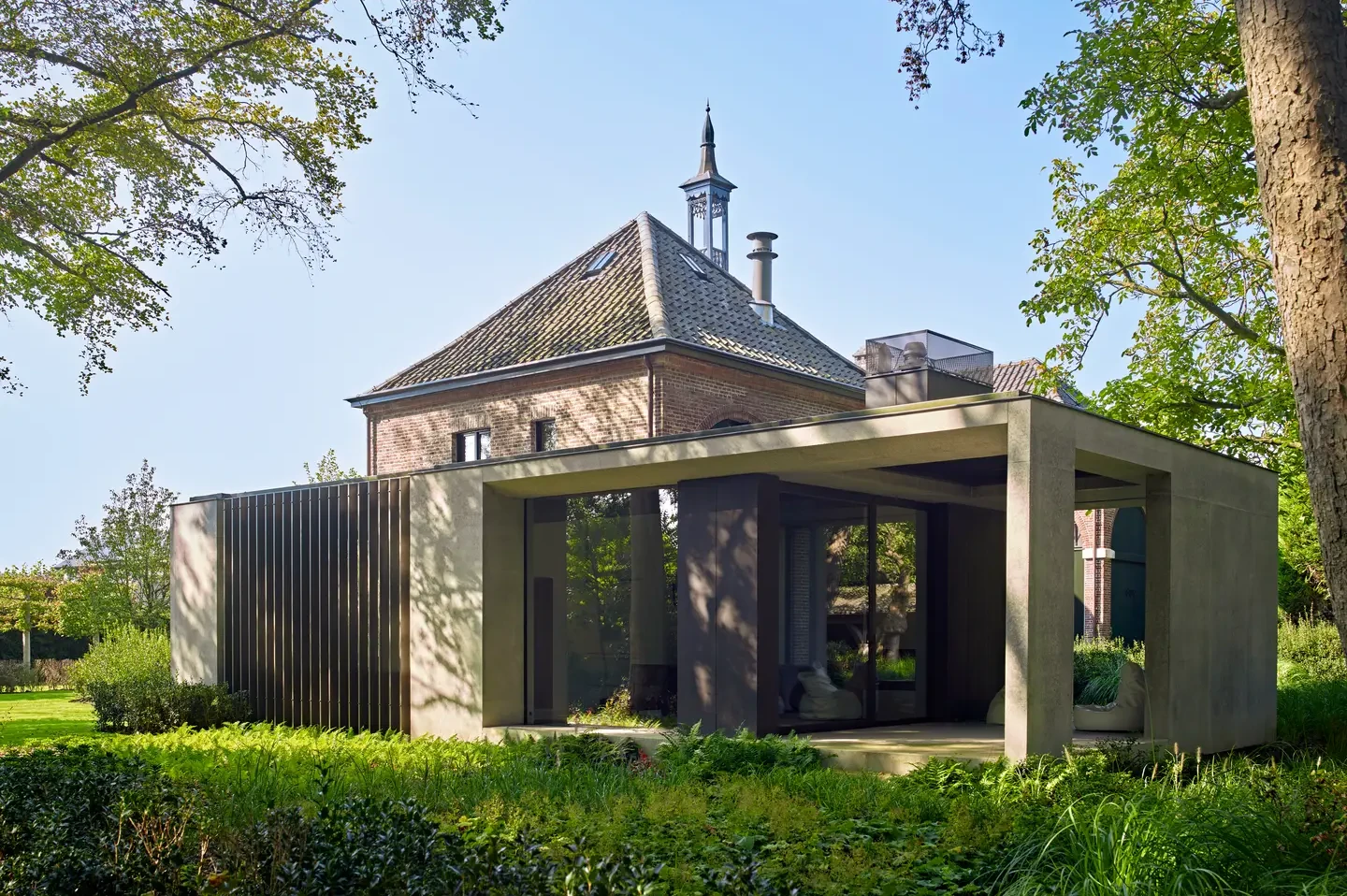
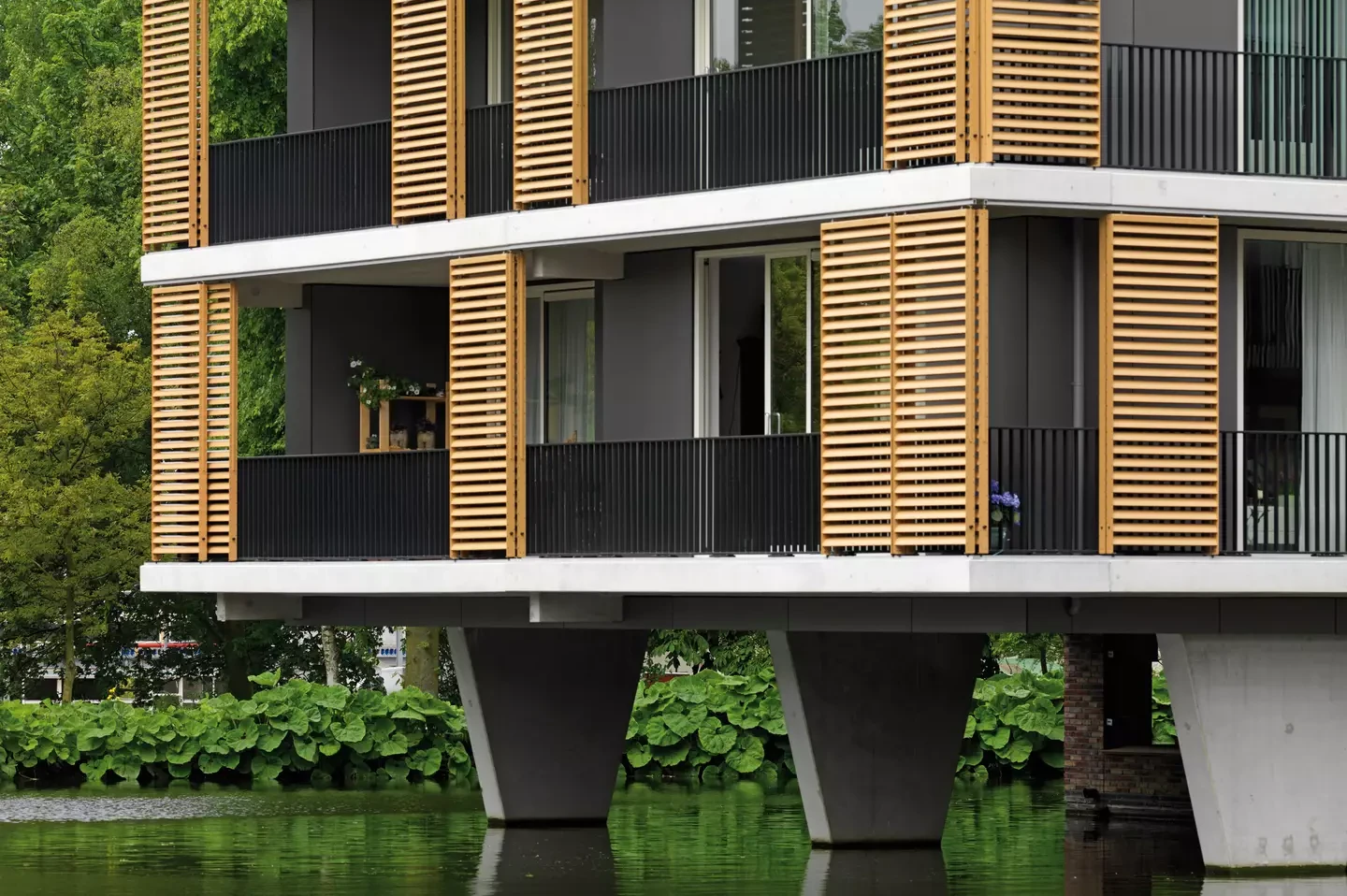
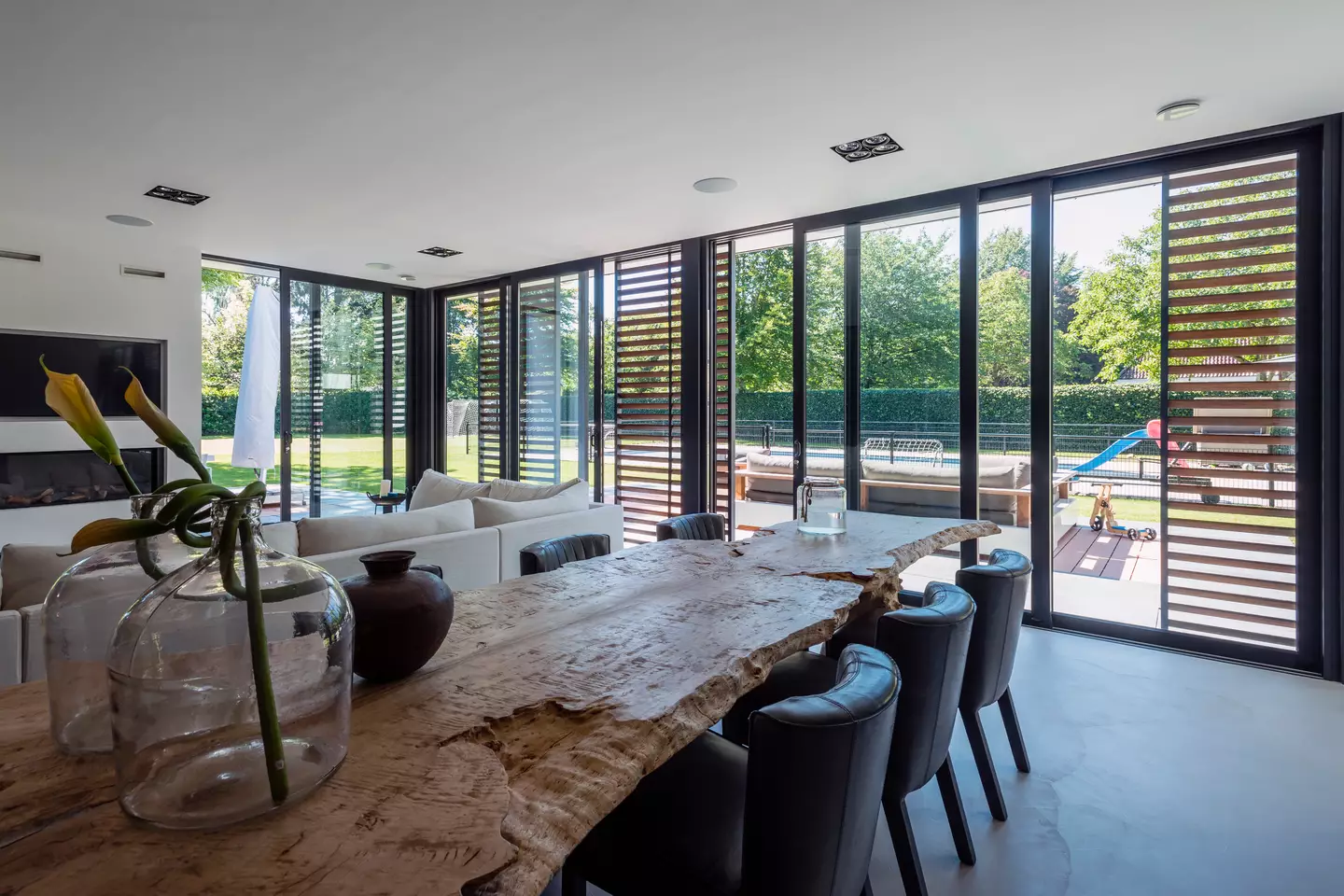
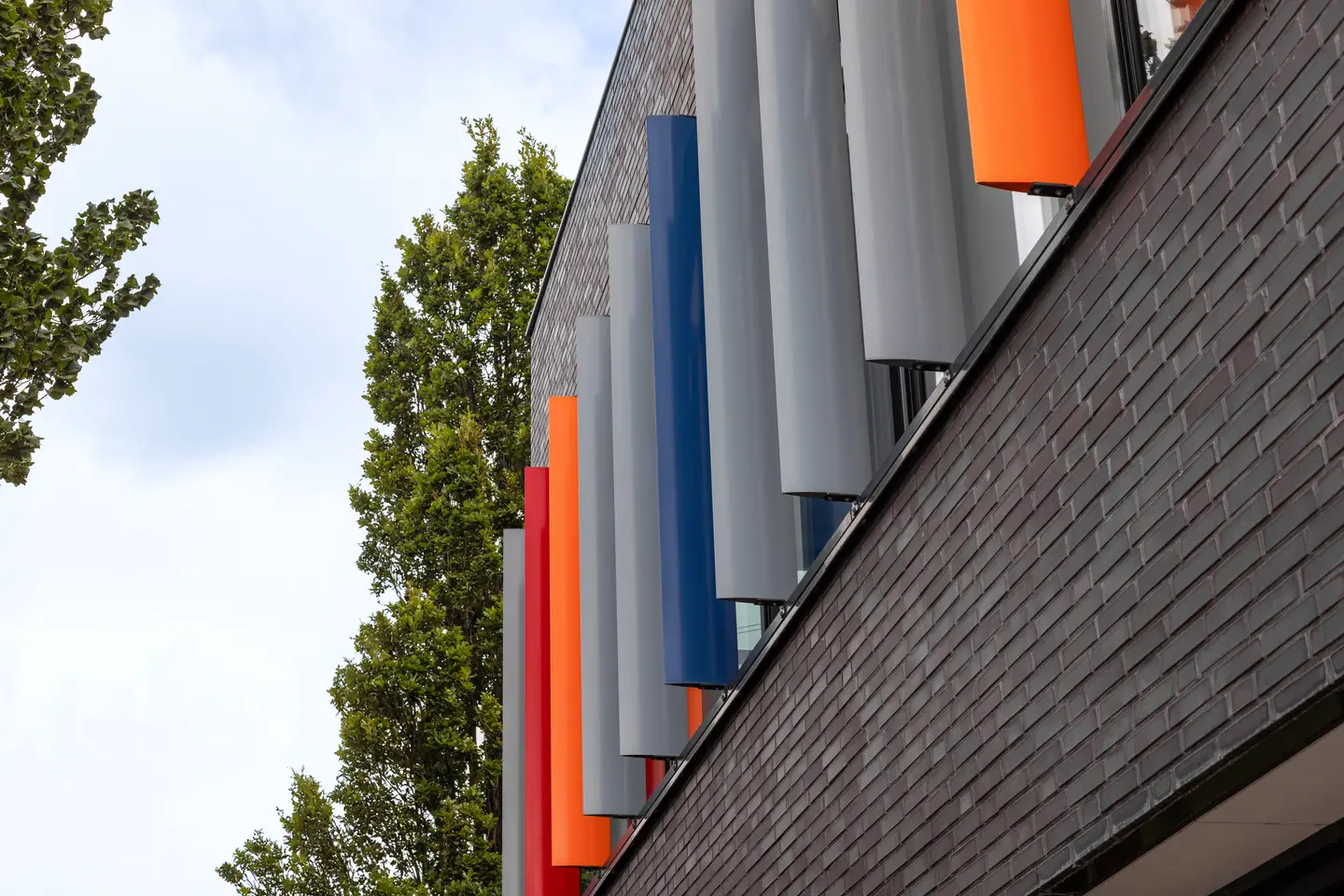
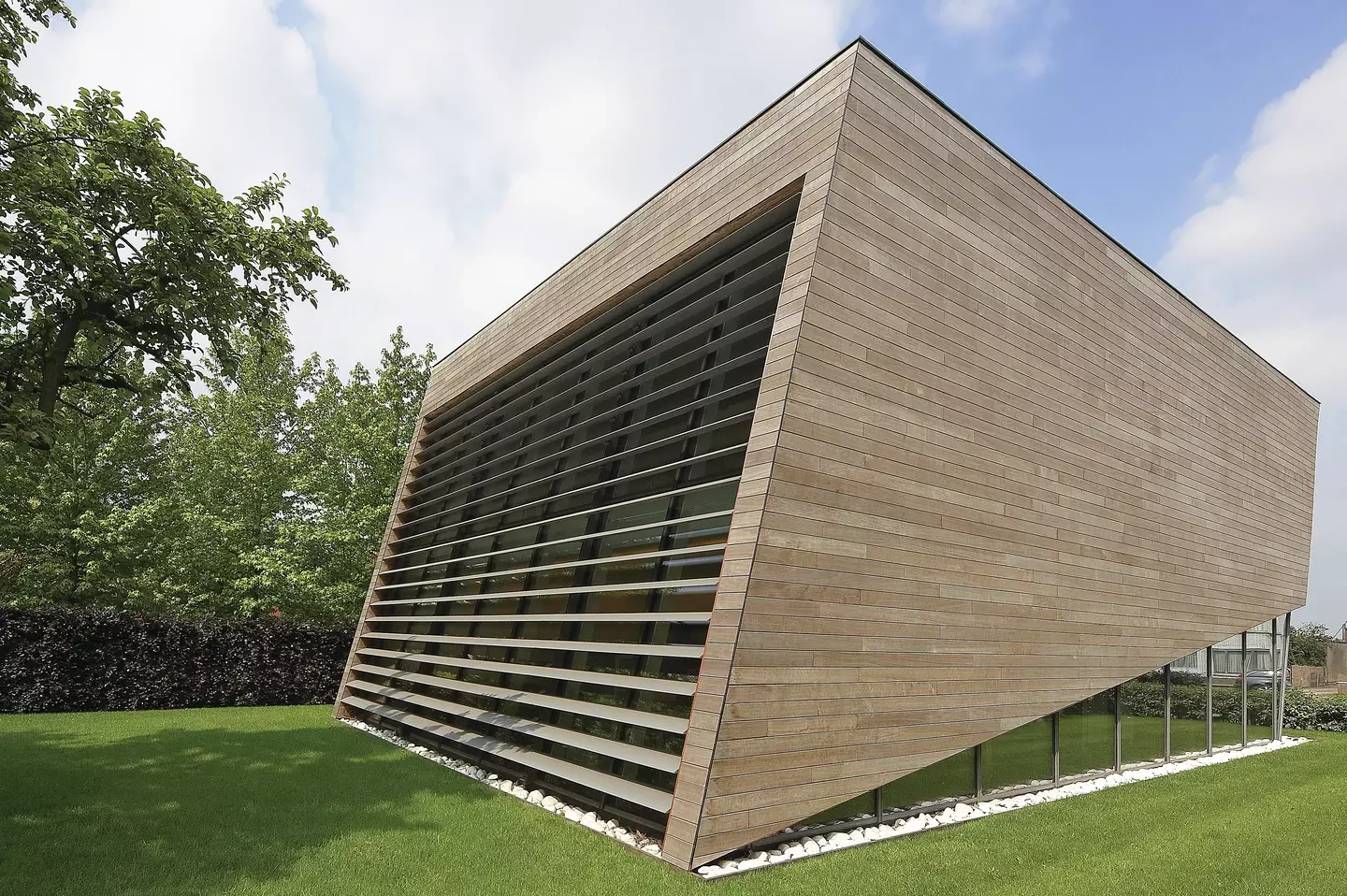
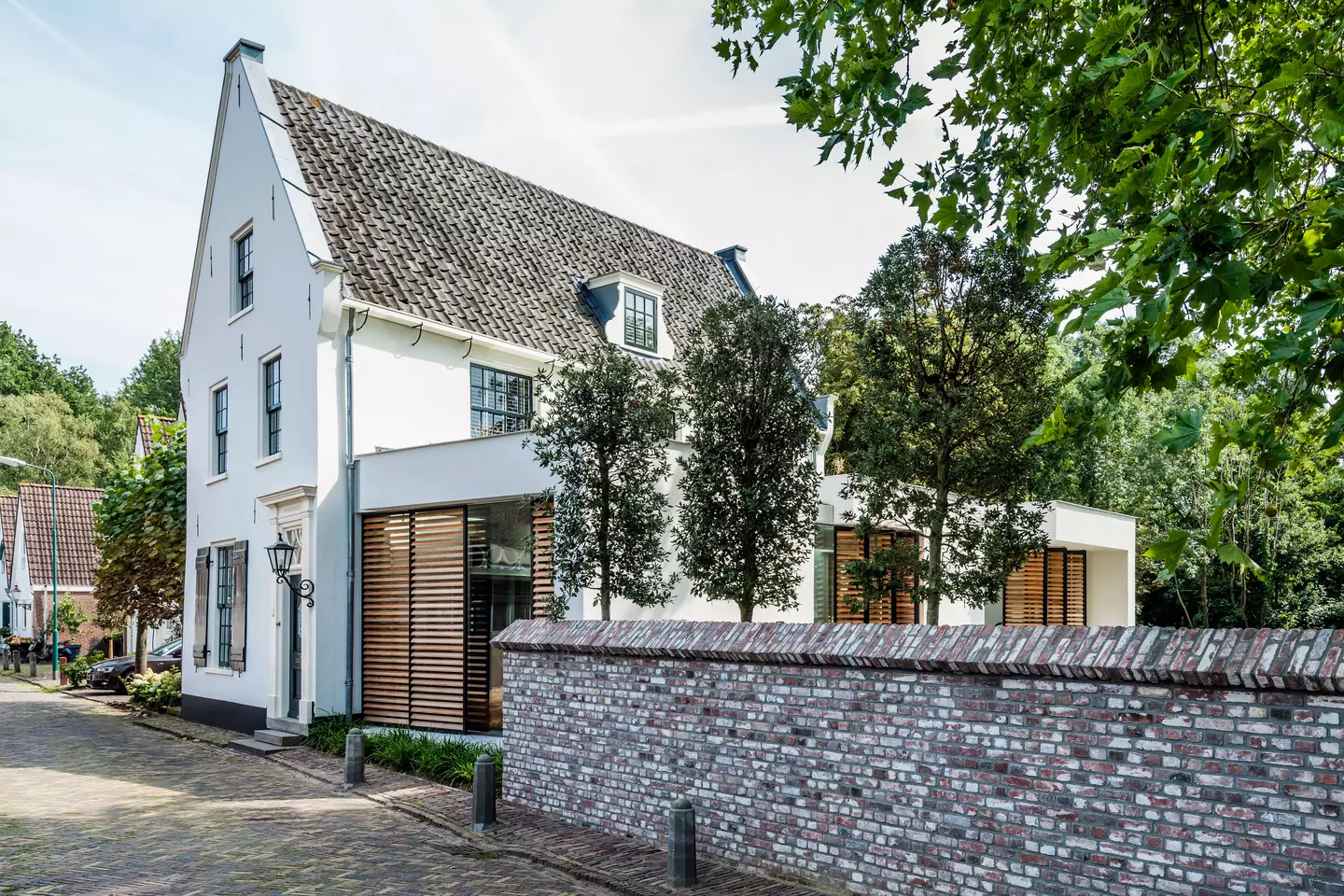
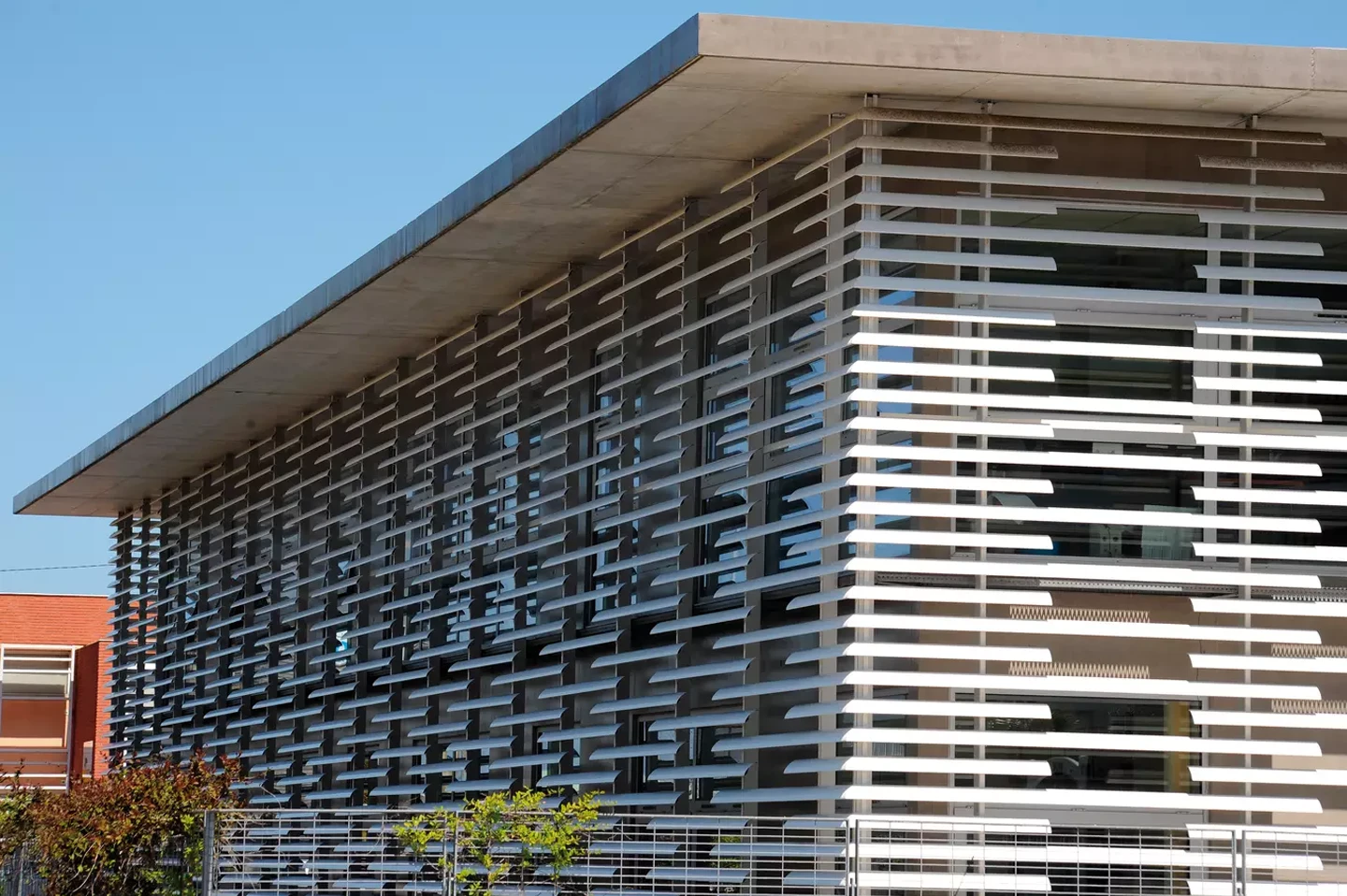
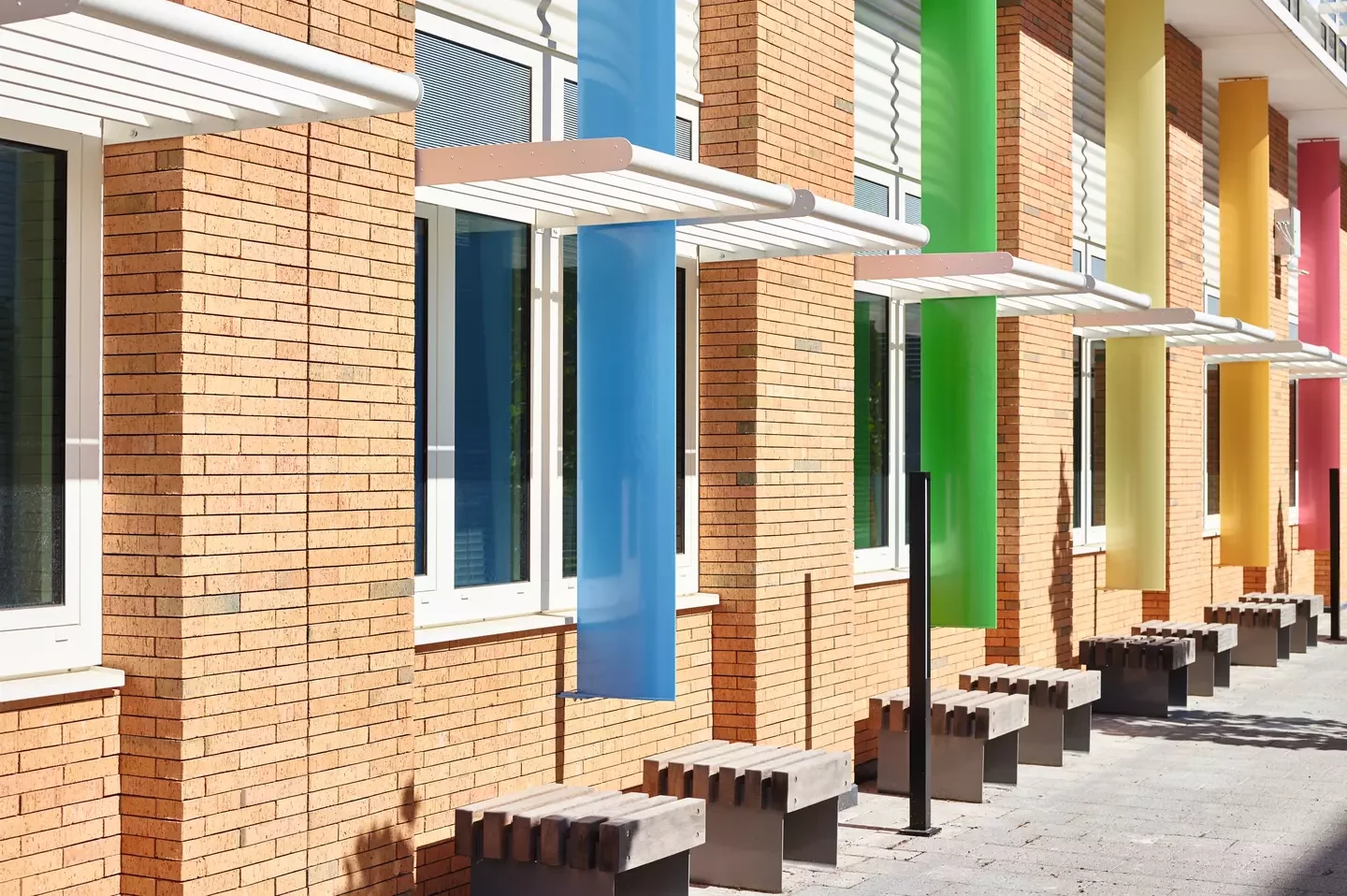
In my opinion, sun protection is one of the most underrated investments in today’s housing construction, given its significant positive impact on cooling demand and comfort levels.
- Dr. Glenn Reynders, KU Leuven
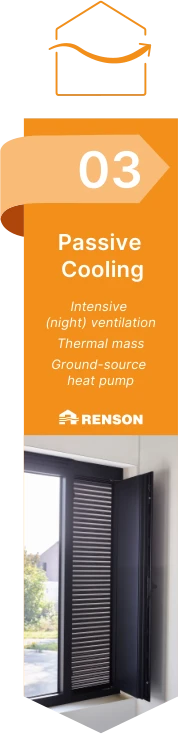
3. Passive cooling
Is the heat still inside? Then you can first tackle it with passive techniques that make use of cooler outside air. Consider the ventilation system’s summer mode or night cooling, where cool air flows through the home at night via a chimney effect and cools the thermal mass for the next day.
Passive cooling techniques can make a pleasant difference, but they are not a miracle cure. That is precisely why sun protection and passive cooling go hand in hand.
By opening the windows and doors at night, you create a chimney effect that helps cool down your building.
– Dr. Joost Declercq, Archipelago Architects
4. Active cooling
In extreme heat or during prolonged hot spells – particularly if temperatures do not drop much at night – active cooling is sometimes advisable. Air conditioning or a heat pump can therefore be useful, but only as a last resort to cope with peaks in demand.
If you need quick fixes to keep the indoor temperature under control, that’s a sign that there’s something wrong with the building design.
– Dr Joost Declercq, archipelago architects
What does that mean for you as an architect?
Increasing overheating makes smart building design more important than ever. By integrating climate-responsive measures early, architects can create truly future-proof buildings. A recent United Nations Environment Programme study underlines this urgency, showing that overheating is becoming a structural challenge, with rising cooling demand, more frequent heatwaves, and increasing impacts on health and comfort.
In this context, passive solutions such as sun protection are no longer a luxury, but a necessity to ensure buildings remain comfortable, energy-efficient, and resilient in a warming climate. Designing livable, climate-resilient spaces will be one of the key challenges of the coming decades.
For more than 117 years, Renson has been committed to this ambition, delivering integrated solutions that keep homes healthy and comfortable in a sustainable, energy-efficient, and aesthetically refined way.
Full expert report on overheating Belgium United Nations Environment Programme